Watercolour Butterflies Tumbler Wrap: A Design Asset for Vibrant Projects
The Aesthetic of a Watercolour Butterflies Tumbler Wrap
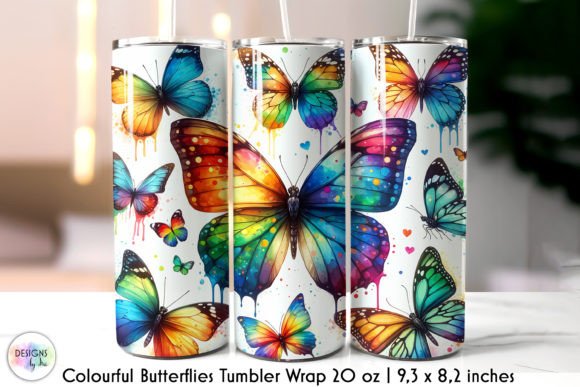
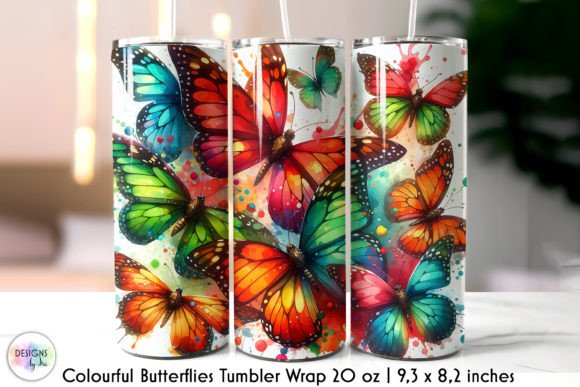
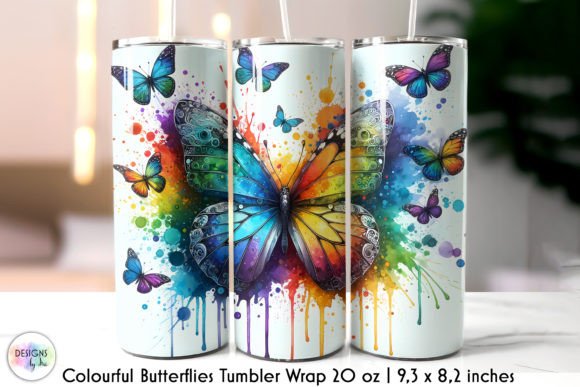
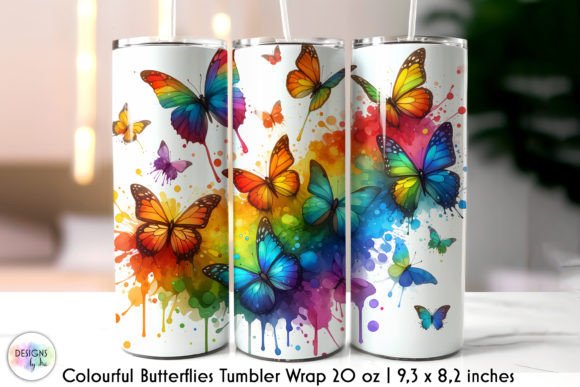
There’s a distinct joy in working with design assets that carry immediate personality. A Watercolour Butterflies Tumbler Wrap is one such element. It’s more than a pattern; it’s a captured moment of artistic flair, characterized by soft, bleeding edges, translucent layers of colour, and the delicate, organic forms of butterfly wings. The visual appeal lies in its handcrafted feel—each brushstroke and colour blend feels unique, offering a warmth and humanity that purely digital graphics can sometimes lack. This particular design, presented as a high-resolution PNG file, is crafted for a 20 oz straight tumbler, with dimensions of 9.3 x 8.2 inches at 300 dpi. This specification is crucial for crafters and small business owners, as it ensures a crisp, professional print quality for physical products, which is a cornerstone of good packaging design.
The personality of this wrap is inherently cheerful, artistic, and slightly whimsical. It doesn’t shout for attention with harsh lines or neon colours; instead, it draws the eye with its graceful movement and harmonious colour palette. Think of it as a piece of editorial design translated onto a three-dimensional object. The style speaks to a modern appreciation for artisanal goods and nature-inspired motifs. For a small business selling custom drinkware, this design can instantly elevate a product from a simple container to a curated lifestyle accessory. It tells a story of creativity and attention to detail before the customer even takes a sip.
Strategic Applications Beyond the Tumbler
While the primary function is clear, the true value of a versatile creative font or graphic lies in its adaptability. The Watercolour Butterflies Tumbler Wrap design is a prime example of a design asset with a wide potential reach. Its core elements—the watercolour texture and butterfly motifs—can be isolated and repurposed across a multitude of projects, influencing brand identity and audience engagement in subtle yet powerful ways.
- Branding and Marketing Collateral: For a boutique, a spa, a floral shop, or a stationery brand, the butterfly motifs can be extracted to create logo accents, social media post backgrounds, email newsletter headers, or website banners. The watercolour texture adds a layer of sophistication and tactile quality to digital screens, enhancing visual hierarchy and making key messages stand out without relying on a typical display font alone.
- Publishing and Digital Content: Bloggers and content creators in the lifestyle, wellness, or DIY space can use segments of the design as chapter headers in an eBook, as a background for quote graphics on Instagram, or as a thematic element in a YouTube video intro. This creates a consistent and recognizable brand identity across platforms, fostering audience recognition and trust.
- Personal and Commercial Crafting: Beyond tumblers, the PNG can be resized for smaller projects like gift tags, notebook covers, greeting card panels, or even fabric prints for small accessories. The key is understanding the file's limitations—it is a raster image, not a vector SVG. This means it’s perfect for projects where you need a pre-designed, high-quality image to apply directly, but it cannot be infinitely scaled without losing quality or edited at the path level. This is a critical consideration for commercial font and asset licensing, ensuring you use the file within its intended scope.
Practical Guidance for Implementation and Pairing
Integrating a dominant visual like this wrap design into a project requires a thoughtful approach to maintain balance and professionalism. The goal is to let the artistry shine without overwhelming the viewer or compromising readability.
Evaluating Project Fit and Readability
First, assess the mood of your project. Does it call for a sense of natural elegance, creativity, and gentle energy? If your brand is stark, minimalist, or industrial, this design might create a disconnect. However, for projects aiming for a friendly, artisanal, or feminine touch, it’s an excellent match. When using the full wrap or large sections as a background, any overlaid text—whether it’s a sans serif font for clean information or a script font for a personal note—must have sufficient contrast. A simple trick is to place a semi-transparent white or soft grey shape behind your text to ensure legibility without completely obscuring the beautiful background.
Font Pairing and Style Considerations
This is where modern typography strategy comes into play. The ornate, organic nature of the watercolour butterflies pairs best with typefaces that provide contrast and clarity. Avoid pairing it with another highly decorative or handwritten font, as this can lead to visual chaos. Instead, consider these combinations:
- With a Clean Sans Serif: A font like Montserrat or Lato offers a contemporary, clean counterpoint. Use the sans serif for all body copy and key information. You could use a bolder weight for headlines. This pairing keeps the design feeling modern and ensures all text is easily readable.
- With a Classic Serif: A timeless serif font like Garamond or Playfair Display can add a touch of traditional elegance. This works wonderfully for projects like wedding stationery, book covers for literary fiction, or high-end product labels where a sense of heritage and quality is desired.
- With a Subtle Script: If a personal touch is needed, use a simple, legible script font sparingly—perhaps just for a single name or a short phrase like “Thank You.” Ensure the script is not overly flourished to maintain cohesion with the organic flow of the butterflies.
Ultimately, using the Watercolour Butterflies Tumbler Wrap effectively is about respecting its artistry. It’s a premium visual component that can significantly enhance the perceived value and professionalism of your work when applied with intention. Test your pairings in context, check the readability at various sizes, and ensure the final product aligns with the core message you wish to communicate. This thoughtful process is what separates good design from great, impactful design that resonates with your audience.