Surf Board Color Cut Out Image: A Design Asset for Vibrant Projects
There’s a specific feeling you get from a great summer design. It’s the energy of crashing waves, the bright glare of the sun, and the laid-back confidence of a surfer walking down the beach. Capturing that vibe in a digital project requires more than just a blue color palette; it demands the right visual elements. This is exactly what the Surf Board Color Cut Out Image brings to the table. It is a specialized graphic asset designed to inject high-octane summer energy into your work without the hassle of complex editing.
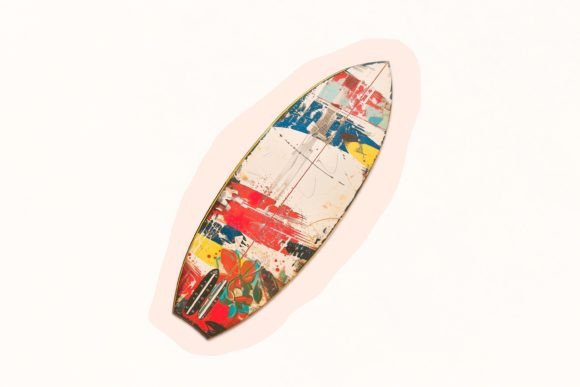
At first glance, this asset is defined by its isolation. The surfboard is "cut out," meaning the background has been professionally removed. This isn't just a casual crop; it is a precision extraction that leaves clean, sharp edges. Visually, the asset features a stylized surfboard with vibrant, saturated colors—think electric blues, sunset oranges, and crisp whites. The personality of the image is undeniably active and youthful. It doesn't look like a dusty museum piece; it looks like a prop waiting to be used in a modern, high-energy campaign. The style strikes a balance between realistic rendering and graphic design utility, making it versatile enough for both web overlays and print media.
Practical Applications: Where This Asset Shines
The true value of a PNG cut out image lies in its versatility. Because the background is removed, the surfboard can be dropped onto virtually any canvas. For graphic designers and brand strategists, this asset is a lifesaver when working on lifestyle branding. If you are building a brand identity for a surf shop, a beach bar, or a summer festival, this image acts as a central anchor. It can be placed on posters, flyers, and menu headers to instantly set the scene.
For marketers and content creators, the utility extends heavily into the digital realm. Social media graphics require constant visual stimulation. A static background can often feel dull, but layering this surfboard image over a gradient or a photo of the ocean adds depth and context. It works exceptionally well for Instagram stories, Facebook banners, and YouTube thumbnails where you need to convey a "Summer Sale" or "Beach Vibes" message instantly.
Small business owners and entrepreneurs will find this particularly useful for packaging design. Imagine a line of sunscreen, a tropical juice brand, or a clothing line. The surfboard graphic can be integrated into the label design to reinforce the product's theme. Because the file comes in high resolution, you don't have to worry about pixelation when scaling it for large print design projects like trade show banners or window decals.
Technical Specifications and File Utility
A major pain point in creative work is file compatibility. You often find a great image online only to realize it’s a low-resolution JPEG that falls apart when you try to resize it. This asset package solves that problem by providing a comprehensive toolkit. The package includes a zip file containing three distinct formats, each serving a specific workflow.
First, you have the PNG file. Measuring 4096 x 4096 px, this is your primary asset for layering. The PNG format supports transparency, which preserves that hard-earned cut-out edge. Whether you are using Photoshop, Canva, or Affinity Designer, the PNG will sit perfectly on top of your background layers without a white box surrounding it.
Second, the package includes a JPG file, also at 4096 x 4096 px. While JPGs do not support transparency, they are often preferred for final web uploads because they offer a smaller file size without sacrificing too much visual fidelity. This is ideal if you plan to use the surfboard as the main focal point on a solid-colored background and want your website to load faster.
Third, and perhaps most valuable for professional designers, is the PSD file. This is the native Adobe Photoshop file. Having the PSD means you aren't stuck with a static image. If you are an experienced designer, you can open the PSD to adjust the color balance, tweak the shadows, or modify the highlights to match a specific client's color palette. This level of control transforms the asset from a simple picture into a customizable piece of design infrastructure.
Integrating the Asset into Your Design Hierarchy
Using a cut out image effectively requires an understanding of visual hierarchy. You cannot simply slap the surfboard onto a design and expect it to work. The surfboard is a "hero" element; it demands attention. Therefore, it should usually be paired with clean typography.
For instance, if you are creating a flyer for a beach party, the surfboard image provides the "mood," while your text provides the "information." The high contrast of the colors in the image helps draw the eye, but you must ensure your text remains readable against it. If you place the surfboard in the foreground, ensure your background is relatively simple—perhaps a solid color or a subtle texture—so the design doesn't become cluttered.
Consider the perspective of the image. Is the board lying flat or standing upright? An upright board suggests action and excitement, perfect for event promotion. A flat board suggests relaxation and leisure, better suited for lifestyle branding or blog headers. By observing these subtle cues, you can align the asset with the specific message you want to convey, ensuring your marketing materials feel cohesive rather than disjointed.
Final Thoughts on Utility
Ultimately, the Surf Board Color Cut Out Image is a practical tool for the modern creative’s toolkit. It bridges the gap between needing a high-quality visual and the time constraints of creating one from scratch. Whether you are a blogger looking to brighten up a travel post, a crafter designing a decal, or a publisher laying out a summer magazine spread, this asset provides the flexibility and quality required for professional results. It is a focused solution for anyone looking to capture the timeless allure of the surf lifestyle in their visual storytelling.