Rainbow Pastel Color Abstract: A Guide to Soft, Vibrant Design
Understanding the Rainbow Pastel Color Abstract Aesthetic
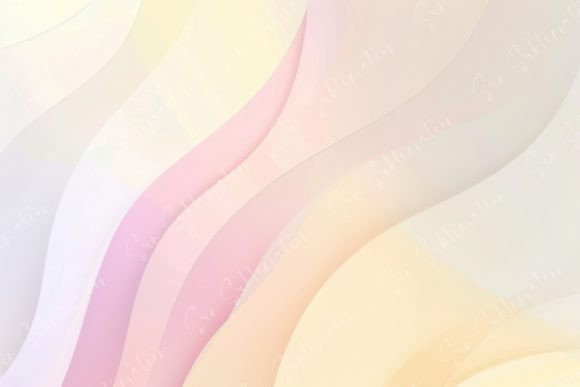
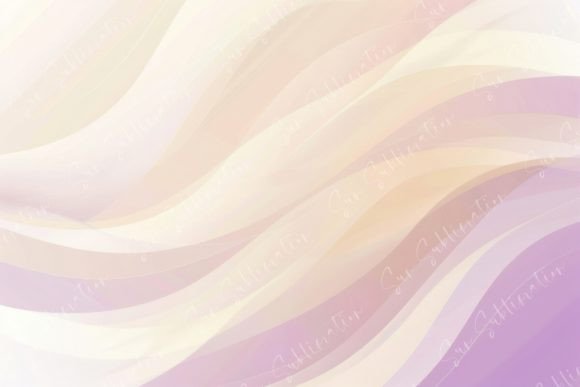
The Rainbow Pastel Color Abstract style is more than a background; it's a specific visual language. Imagine the full spectrum of a rainbow, but softened and muted, as if viewed through a frosted glass or on a sun-faded print. Hues like blush pink, soft lavender, mint green, and baby blue blend seamlessly into one another, creating a gentle, flowing transition. This is often paired with subtle, whimsical elements like scattered stars or soft geometric shapes, adding a layer of depth and magic without overwhelming the core color story.
The personality of this aesthetic is inherently modern, approachable, and optimistic. It avoids the high-energy punch of neon or the starkness of monochrome. Instead, it communicates calm creativity, inclusivity, and a contemporary sense of style. It feels both professional and playful, making it a versatile tool for creators who need to bridge the gap between serious business and engaging content. The overall appeal lies in its ability to be visually interesting yet not distracting, creating an inviting atmosphere for any project.
Practical Applications for Designers and Brands
Where does Rainbow Pastel Color Abstract truly shine? Its strength is in versatility across digital and print mediums. For brand identity, it offers a fresh alternative to corporate blues or aggressive reds. A startup in the wellness, education, or creative tech space could use this palette to signal innovation, mindfulness, and user-friendliness. As a display font background, it can make headlines pop in editorial design or on a website hero section.
In packaging design, especially for cosmetics, artisanal foods, or children's products, these soft gradients create shelf appeal that feels premium yet accessible. For social media graphics, it's a powerhouse. The abstract nature allows text to be placed anywhere, and the colors are inherently "thumb-stopping" on feeds dominated by harsh contrasts. It works beautifully for quote cards, promotional banners, and Instagram Stories backgrounds.
Entrepreneurs and content creators can leverage it for web design elements like section dividers, blog post featured images, or email newsletter headers. The aesthetic aligns perfectly with modern trends in creative font usage, where typography is often set against vibrant, textured backgrounds to create visual hierarchy. It’s also an excellent design asset for digital products like planners, wallpapers, or presentation templates, adding significant perceived value.
Maximizing Impact with Rainbow Pastel Color Abstract
Using this style effectively requires more than just dropping it onto a canvas. Consider the principles of visual hierarchy. The soft colors are a background; the foreground needs contrast. Pair a Rainbow Pastel Color Abstract background with bold, clean typography—think a strong sans serif font for headings or a refined serif font for body text. This contrast ensures readability and guides the viewer's eye precisely where you want it.
When evaluating a project for this aesthetic, ask: Does my message need to feel friendly and innovative, or authoritative and traditional? This style leans heavily toward the former. Test font pairings rigorously. A delicate script font might get lost in the gradient, while a geometric sans serif will stand firm. Always review the final output on multiple screens. As noted with any digital premium font or asset, monitor calibrations vary, so the exact hue on your screen may differ slightly in print. For commercial projects, ensure the license covers your intended use, whether for client work, merchandise, or digital sales.
Think of Rainbow Pastel Color Abstract as a foundational design asset. It sets the mood and tone before a single word is read. By understanding its characteristics—its softness, its blend of professionalism and playfulness—you can deploy it strategically to enhance brand perception, create engaging social media graphics, and develop a cohesive modern typography system that resonates with a contemporary audience.