Embrace Softness: The Power of Vintage Pink Color Palettes
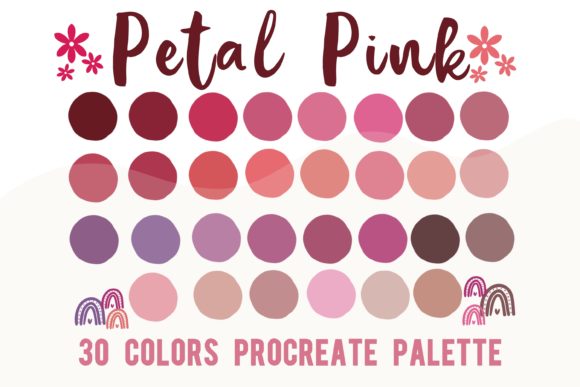
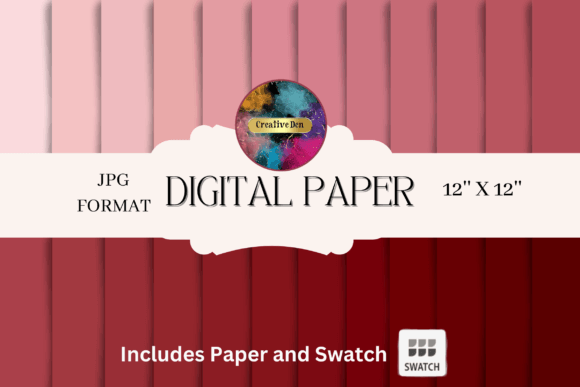
Color is the silent storyteller in any visual project. It sets the mood before a single word is read or a single image is fully processed. Among the vast spectrum, pink holds a unique power. It’s often associated with romance, care, and a gentle touch. But when we talk about Vintage Pink Color Palettes, we’re exploring a deeper, more nuanced territory. These aren’t the bright, electric pinks of modern neon; they are the muted, dusty, and powdery shades that evoke nostalgia, warmth, and a timeless elegance. This collection offers 24 distinct palettes, each a carefully curated world of soft hues designed to bring a serene and sophisticated character to your creative work.
Understanding the Vintage Pink Aesthetic
The visual personality of vintage pink is one of quiet confidence. It’s a color that doesn’t shout; it whispers. Think of the faded blush on an old love letter, the soft rose of a grandmother’s porcelain tea set, or the gentle salmon of a mid-century modern armchair. These colors carry a sense of history and comfort. They are inherently versatile shades, moving seamlessly between a feminine, romantic aesthetic and a more grounded, earthy, and gender-neutral one depending on the accompanying colors and context. The appeal lies in their ability to feel both classic and contemporary, making them a powerful tool in a designer’s arsenal.
Practical Applications: Where These Palettes Shine
The true value of any design asset is in its application. Vintage Pink Color Palettes are not just for looking at; they are for using. Here’s where they can make a significant impact:
- Branding and Logo Design: For businesses in wellness, beauty, boutique hospitality, artisanal goods, or any brand seeking to convey approachability, care, and quality, these pinks are ideal. They create a brand identity that feels trustworthy and warm. A logo design using a dusty rose can feel more established and premium than one using a generic bright pink.
- Web and Digital Design: As background colors, accent hues, or for buttons and highlights, vintage pinks reduce visual strain and create a welcoming user experience. They pair exceptionally well with clean sans serif fonts for a modern, airy feel, or with elegant serif fonts for a more traditional, literary look. This directly influences readability and visual hierarchy, guiding the user’s eye comfortably.
- Editorial and Publishing: In magazine layouts, book covers, and report design, these palettes add a layer of sophistication. They can soften the overall tone of a publication, making dense content feel more accessible. A chapter opener in a muted pink can establish a calming editorial design rhythm.
- Packaging Design: On product packaging, vintage pink communicates quality, care, and a natural or handmade origin. It stands out on shelves without being garish, appealing to consumers looking for authenticity. It’s a cornerstone of effective packaging design for cosmetics, candles, and gourmet foods.
- Social Media and Marketing: Consistent use of a vintage pink palette across social media graphics builds instant visual recognition. It helps content feel cohesive and professional, boosting brand perception and audience engagement. The calming effect can increase dwell time on posts.
- Personal Projects and Crafts: From wedding invitations and event styling to home decor mood boards and digital scrapbooking, these palettes provide a ready-made source of inspiration for projects that require a tender touch.
Making the Most of Your Vintage Pink Palettes
Having the palettes is the first step; using them effectively is the next. Here’s some practical guidance:
- Evaluate the Project Fit: Before you dive in, ask: Does my project’s message align with the personality of vintage pink? Is it about warmth, heritage, softness, or refined elegance? If the answer is yes, you’re on the right track.
- Test Font Pairings: Color and typography are partners. A vintage pink color palette can dramatically change how a typeface feels. Pair a muted mauve with a strong, geometric sans serif font for a modern contrast, or with a flowing script font for a classic, romantic feel. Experimentation is key.
- Consider Readability and Hierarchy: Use the lighter, softer pinks for large background areas and the slightly deeper, more saturated tones for headlines or call-to-action elements. This creates a clear visual hierarchy without harsh contrasts. Always test text legibility, especially for body copy.
- Review the Included Swatches: Each of the 24 palettes in the Photoshop Swatch File is a self-contained harmony. Don’t just pick one color. Use the range provided—perhaps a light blush for the background, a dusty rose for primary elements, and a deeper burgundy-tinged pink for accents. This creates depth and professionalism.
- Understand Commercial Use: The included .aco swatch files are a premium tool for your workflow. For commercial projects, you are free to use these colors in your final designs, whether for a client’s logo design, product packaging, or website. The license typically covers the use of the color combinations, not the file itself as a redistributable asset.
Think of these palettes as a starting point for conversation between your design elements. A vintage pink might be the perfect backdrop for a minimalist modern typography treatment, or it could be the accent that makes a handwritten font feel more authentic. The goal is to use these color palettes to infuse your projects with a specific, controlled emotion—calm, grace, and a touch of nostalgic beauty. Download, experiment, and let these carefully curated shades elevate your next creative endeavor.